


Krka waterfalls sit close enough to Split that travelers often treat the whole outing as a simple half-day errand, then get surprised by how much ground the park actually covers once they arrive. Cascading travertine pools, centuries-old water mills, and a river that eventually opens into a proper boat ride all sit inside one protected area, and rushing through it tends to shortchange the experience.
That is why the planning question matters more than it first seems. A trip built around Krka waterfalls involves a highway drive, a guided walk through the park’s main attraction, free time among the pools and trails, and a boat transfer down to Skradin town, all inside a single travel day.
We spend a good portion of our season guiding groups through exactly this route at Pelican Tours Split, and the same uncertainty comes up constantly: how much time do you actually need, what can you realistically see, and how does a day here compare to other national park options along the coast. The rest of this guide answers those questions directly.
What Krka Waterfalls Actually Involves
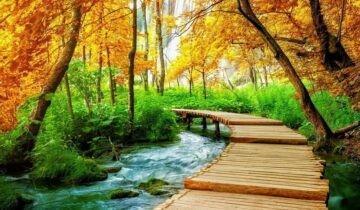
Krka National Park centers on the Krka River as it drops through a series of travertine barriers, creating cascading pools and waterfalls along a wooded gorge that stretches for several kilometers upstream. The most visited section, Skradinski Buk, is the longest and most dramatic of these formations, reached by wooden walkways that wind through the pools themselves and cross the water at several points along the route.
Beyond the waterfall, the park includes an ethno village showcasing traditional water mills and rolling mills once used by local communities, along with washing columns that reflect centuries of daily life along the river. The surrounding forest holds over a thousand recorded plant species alongside a genuinely diverse range of wildlife.
Understanding this layout before arriving changes how the day unfolds. Our Krka waterfalls tour is not a single photo stop beside a parking lot. It is a walking route through a working landscape, one that rewards a few unhurried hours rather than a rushed lap around the boardwalks.
The Route From Split To The Park
The drive from Split runs roughly an hour along the fast highway rather than the older coastal road, which tends to be slower and more congested during peak season and winds through several small towns along the way. Choosing the highway route keeps the journey comfortable and predictable regardless of the time of year, with air conditioning making the ride far more pleasant during the warmer months.
Most organized days depart Split mid-morning, giving enough daylight for the drive, a guided walk through the park’s core area, extended free time, and the boat transfer that follows later in the day. The structure keeps each segment reasonably paced rather than compressed.
A Krka day trip from Split generally runs long enough to cover the highlights without leaving the return drive until uncomfortably late, though exact timing depends on the operator and whether lunch or extra free time gets built into the schedule.
Skradinski Buk And The Ethno Village
Skradinski Buk itself unfolds as a series of cascading pools connected by wooden walkways, with the sound of moving water present almost everywhere along the route. Photographs rarely capture the actual scale of the falls, since the walkways bring visitors close enough to feel the spray in several spots.
The ethno village sits just beyond the main waterfall viewpoint, preserving restored water mills and demonstrating how milling, weaving, and washing once functioned along this stretch of river. It adds historical texture to what would otherwise be a purely scenic stop.
Walking the full loop through Skradinski Buk and the ethno village comfortably fills a couple of hours, though many visitors linger longer among the clearest pools, where the water’s color shifts depending on depth and the angle of the light overhead.
Why Swimming Inside The Park Isn’t Allowed
Swimming directly within Krka National Park has not been permitted since regulations changed in 2021, a decision made to protect the surrounding ecosystem from the wear caused by heavy seasonal foot and swim traffic. This surprises some travelers who remember older articles describing swim spots beneath the falls.
The restriction applies specifically to the protected area around Skradinski Buk, not to the wider region. Most itineraries account for this by including a boat ride further downstream to Skradin, where swimming remains both allowed and genuinely pleasant.
This shift changed the rhythm of a typical visit to Krka waterfalls, moving the swimming portion of the day away from the falls themselves and toward the calmer, more open water near Skradin instead.
The Boat Ride And Skradin Town
The boat transfer from the park down to Skradin covers a quiet, scenic stretch of the Krka River, passing reed banks, calm water, and the occasional swan along the way. It offers a different pace from the walking portion earlier in the day, more about sitting back and watching the shoreline drift by than moving through crowds on foot.
Skradin itself carries a long, layered history, having served at different points as a Roman settlement and later coming under both Venetian and Ottoman influence. Its marina, stone streets, and waterfront restaurants give the town a settled, unhurried character distinct from the park upstream.
Free time in Skradin typically allows for a walk through the compact old town, a swim at the town beach, or simply relaxing near the marina before the return drive to Split, closing out the Krka waterfalls day on a noticeably calmer note.
Krka Waterfalls Vs Plitvice Lakes
Krka sits roughly an hour from Split, while Plitvice Lakes requires closer to two and a half hours each way, a distance that shapes which park fits better into a single travel day. Shorter transit time at Krka leaves more room for the park itself rather than time spent on the road.
Plitvice offers a larger network of connected lakes and generally denser walking trails, appealing to travelers prioritizing scenery over swimming or river time. Krka pairs its waterfall walk with a boat ride and swimming opportunity, giving the day a different, more varied rhythm.
Choosing between Krka waterfalls and Plitvice Lakes usually comes down to how much driving your schedule can absorb and whether a swim break afterward outweighs the appeal of Plitvice’s larger, more elaborate trail network.
Guided Tour Or Self-Drive
A guided tour removes the logistics of driving, parking, and navigating unfamiliar park entrances, while also providing context about the ethno village, the mills, and the park’s ecology that a solo visit would likely miss entirely. Group transport also tends to use the faster highway route by default, and a professional driver handles the return leg after a full day of walking and sun.
Self-driving offers more control over timing and allows for a longer or shorter stay depending on how the day unfolds, though summer parking near the park entrance fills quickly and rental logistics add another layer of planning most travelers would rather avoid.
Krka tour planning through an organized group tends to suit travelers without a rental car or those who prefer someone else handling the driving, parking, and boat coordination, leaving more mental space to actually enjoy the walk.
Who This Trip Suits
Travelers with a moderate fitness level generally do well here, since the walkways involve sustained walking on uneven wooden surfaces rather than steep climbing, making the route accessible without being effortless. Comfortable shoes matter more than athletic ability, since balance on the wooden boards counts for more than raw stamina.
Families traveling with kids tend to appreciate the mix of walking, open-air scenery, and eventual swim time in Skradin, which breaks up a day that would otherwise be entirely on foot through the park’s main trails.
Travelers short on time in Croatia often lean toward Krka waterfalls specifically because the shorter drive from Split makes it easier to fit into a single day without sacrificing an entire day of a shorter trip to transit alone.
Use This Guide As Your Starting Point
Krka waterfalls works well as a full but manageable day trip, mixing a substantial nature walk with a boat ride and a swim, all within a single day out of Split. The shorter drive compared to other national parks makes it one of the more time-efficient nature excursions available from the city.
Understanding the swimming restriction, the general shape of the itinerary, and how the day compares to alternatives like Plitvice helps set realistic expectations before booking anything, rather than discovering these details once you have already arrived.
Use this guide as a starting point, then confirm details with Pelican Tours Split through our Krka waterfalls tour page, where current departure times, group sizes, and seasonal details are kept up to date. Reach out thro
ugh our contact page if any part of your planning needs a closer look before you commit to a date.
How long does a Krka waterfalls day trip take?
Most organized days run around seven to eight hours total, covering the drive from Split, the guided walk through the park, free time, and the boat transfer to Skradin.
Can you still swim at Krka waterfalls?
No, swimming directly within the park has been restricted since 2021. Most itineraries include a boat ride to Skradin, where swimming is still allowed.
Is Krka or Plitvice better for a day trip from Split?
Krka sits closer to Split, roughly an hour away, while Plitvice takes about two and a half hours each way, making Krka the more time-efficient option for a single day.
Do you need a guided tour to visit Krka waterfalls?
Not strictly, but a guided tour removes driving and parking logistics while adding context about the park's history and ecology that a self-guided visit would likely miss.
Is Krka waterfalls suitable for families with kids?
Yes, the walkways involve moderate walking rather than steep terrain, and the boat ride to Skradin adds swimming time that breaks up the day nicely for younger travelers.


 No products in the cart.