


Diocletian is one of the names travelers see everywhere when they begin planning Split. It appears on maps, walking tour pages, guidebooks, restaurant directions, filming location lists, and almost every first-time itinerary. At first, it can sound like one attraction. Once you arrive, it becomes clear that the palace is not only a monument. It is the living center of Split old town.
That is what makes the planning question more interesting. You are not deciding whether to stand in front of one building, take a photo, and leave. You are deciding how much context you want while walking through streets where Roman walls, medieval houses, cathedral steps, small shops, courtyards, and everyday local life all sit together.
For many travelers, a guided route helps the old town feel less like a beautiful maze and more like a story they can actually follow. Pelican Tours Split often sees this with guests who want history, culture, filming locations, and enough local context to understand why this part of Split still feels alive.
Why the Palace Matters Before You Plan Split
The palace matters because Split grew inside and around it. This is not a museum complex that closes at the end of the day. People live, work, eat, pass through, worship, guide, shop, and meet friends inside a place that began as an imperial residence and military-style complex.
That changes how travelers should approach it. If you arrive only expecting ruins, you may miss the most interesting part. The old town is layered. Roman architecture is still visible, but later centuries have left churches, palaces, narrow lanes, apartments, cafés, and daily routines inside the same stone frame.
This is why the area rewards context. You can wander alone and still enjoy the atmosphere. But with a Diocletian palace guide, names and corners start to connect. Gates stop being only entrances. The Peristyle becomes more than a square. The basement halls feel less empty and more connected to the shape of the original palace above.
Split Old Town Is Not a Standard Historic Quarter
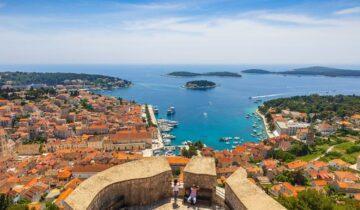
Split old town can be confusing in the best way. One moment you are on the Riva with open sea air, and a few steps later you are inside stone passages that feel completely different. The transition is fast, and that can make the old town feel smaller than it really is.
The challenge is that the most important spaces are not always obvious at first glance. The Golden Gate, Silver Gate, Iron Gate, Brass Gate, Vestibule, Peristyle, Cathedral of Saint Domnius, Temple of Jupiter, substructures, and medieval streets all relate to each other. Without context, they can become a list of stops. With context, the route becomes easier to read.
Diocletian gives Split its central frame, but the city did not freeze in Roman time. That is the part travelers often enjoy most when someone explains it well. The palace became a city, and the city kept changing without fully losing the outline of the palace.
Start With the Kind of Walking Day You Want
Before choosing a Split walking tour, picture the day you actually want. Some travelers want a short cultural introduction before lunch. Others want deeper history, slower corners, and enough time to ask questions. Some care most about Roman architecture. Others are curious about filming locations, local life, and how the old town fits into modern Split.
There is no single right pace. What matters is matching the tour to your attention span, schedule, and travel style. If you are visiting Split for one day, a guided walk can help you avoid drifting past the most meaningful details. If you are staying longer, it can give you a foundation that makes the rest of your visit easier.
This is also where Diocletian can surprise first-time visitors. The site is compact enough to explore in a short window, but layered enough to reward a slower walk. If your group likes stories, architecture, filming notes, and local details, Diocletian can easily become more than a quick stop. It can become the part of Split that helps the rest of the city make sense.
The palace can be experienced quickly, but it is understood better slowly. Even a compact tour should leave space for looking up, stepping aside, and letting the stone feel like more than background.
What a Good Diocletian Palace Guide Should Explain
A good Diocletian palace guide should not overload travelers with dates. History matters, but the best guiding makes the place readable. You should understand why the palace was built, how it was organized, which parts still remain, and why later generations adapted it instead of leaving it untouched.
The guide should also help you see the difference between original Roman structure and later changes. The cathedral, for example, connects directly to the emperor’s mausoleum. The substructures help visitors understand the layout above. The gates explain movement and defense. The Peristyle shows ceremony, power, and public space.
The story becomes more interesting when the guide connects big history to what is under your feet. That is the difference between hearing facts and actually reading the city.
Filming Locations Add Another Layer, But Not the Whole Story
Many travelers arrive in Split because they have heard about Game of Thrones filming locations. The palace substructures are often part of that conversation, and for fans, this can make the walk more exciting.
That layer is fun, but it should not replace the older story. The filming locations work best when they are treated as one more layer inside a much deeper place. A guide can point out what was used on screen, then bring the focus back to why the setting was powerful long before it became recognizable to television fans.
Diocletian is not memorable because a show used part of the palace. The show chose the location because the stone spaces already had atmosphere, scale, and history. That distinction helps travelers enjoy both sides without flattening the experience.
Morning, Afternoon, or Evening: Timing Changes the Walk
Timing affects how the old town feels. Morning can be better for quieter streets, softer light, and a calmer look at the main spaces. Midday can feel busier, especially in peak season, but it may fit travelers arriving from cruise ships or day trips. Evening brings warmer light, more atmosphere, and a stronger sense of local life returning to the center.
If you want photos with fewer people, earlier can help. If you want the city to feel lively, later may suit you better. If your schedule is tight, a guided walk can protect the route so you do not spend your best hour trying to decide which gate you are standing near.
The old town looks different as the day changes. The stone catches light differently, the streets fill and empty, and the same square can feel ceremonial in the morning and social at night.
Why Private Tours Can Work Better in Split
A private Split walking tour can be especially useful because the old town is compact but layered. In a large group, it is easy to miss a detail, stand too far from the guide, or feel rushed through narrow areas. A private format can move at the pace of your group.
That matters for families, couples, older travelers, history lovers, photographers, and guests who like asking questions. It also helps when the group wants a mix of history, local recommendations, filming locations, and practical orientation for the rest of the stay.
Diocletian is not only about what you see. It is about how the route is explained. A private guide can adjust the balance so the tour feels like a conversation instead of a lecture.
How the Palace Helps You Understand the Rest of Split
Once you understand the palace, the rest of Split becomes easier to enjoy. Diocletian gives the city its central frame, so the Riva feels more connected to the old town, the gates become orientation points, and the cathedral tower stops being only a skyline feature. The narrow streets begin to make more sense because you know what they grew from.
This is one of the best reasons to take a guided tour early in your stay. It gives you a mental map. Later, when you return for dinner, shopping, coffee, or photos, you are not just wandering. You know what you are moving through.
Diocletian can be the cultural starting point for the whole holiday. It gives Split a sense of place before you move on to islands, beaches, waterfalls, or day trips.
Match the Tour to the Rest of Your Itinerary
Split itineraries can fill quickly. Boat tours, Krka, Blue Cave, Trogir, beaches, restaurants, and ferries all compete for time. A walking tour of the old town should fit around that rhythm, not fight it.
If you have a boat tour planned, choose a walking time that does not make the day feel too packed. If you arrive in Split late, consider using the next morning for orientation. If the city is your base for several excursions, a guided old town walk can help you feel rooted before leaving again.
The old town does not require a full day for most travelers, but it deserves more than a rushed gap between activities. The experience is better when your mind is not already on the next ferry or dinner reservation.
Compare the Tour Page Before Choosing
A tour page can tell you more than the starting time and price. It helps you understand the tone of the experience, whether the route fits your interests, and whether the format matches the way you like to travel.
Pelican Tours Split offers a Private Diocletian’s Palace Walking Tour for travelers who want the old town explained with a local guide and a clear route through the historic center. Before locking in your Split itinerary, compare the matching tour page so you can decide whether a guided walk should come at the beginning, middle, or end of your stay.
Diocletian is easier to appreciate when the tour matches your pace. The right choice should make the palace feel more human, not more complicated.
Let Diocletian Shape Your First Real Impression of Split
The best Split days usually start with enough context. You do not need to become a Roman history expert to enjoy the old town. You only need enough orientation to notice what is around you.
Diocletian gives travelers a way into Split’s story. The palace explains the old town’s shape, the city’s layers, and why this small center carries so much cultural weight. It also gives your holiday a strong beginning because it connects history, architecture, daily life, and atmosphere in one walkable place.
For travelers who want more than photos, a guided route can turn the center of Split into something easier to remember. Pelican Tours Split helps guests experience that route with a local perspective, a manageable pace, and enough context to make the old stones feel alive.
Who was Diocletian?
Diocletian was a Roman emperor whose palace became the historic center around which Split developed over many centuries.
Is Diocletian’s Palace the same as Split old town?
Not exactly. The palace forms the core of Split old town, but later streets, homes, churches, and squares grew within and around it.
Do I need a guided tour of the palace?
You can walk alone, but a guide helps connect the gates, Peristyle, substructures, cathedral, history, and filming locations.
Are there Game of Thrones locations in the palace?
Yes. Some palace areas, especially the substructures, are known among fans as filming locations connected to the series.
When is the best time for a Split walking tour?
Morning is often calmer, while evening feels more atmospheric. The best time depends on crowds, heat, photos, and your itinerary.


 No products in the cart.